In today’s fast-moving business environment, security is no longer optional. Whether you run a small office, retail store, warehouse, school, clinic, or large commercial facility, a reliable CCTV camera system plays a vital role in protecting people, property, and daily operations. A professionally installed CCTV solution not only helps prevent unwanted incidents but also gives business owners peace of mind through continuous monitoring and recorded evidence.
Why CCTV Camera Installation Matters
CCTV camera installation is one of the most effective ways to strengthen physical security. It helps businesses monitor important areas, reduce theft, discourage unauthorized access, and improve overall safety. Modern surveillance systems also allow remote viewing, giving business owners and managers the ability to keep an eye on their premises from anywhere using a mobile phone, tablet, or computer.
A properly installed CCTV system can help with:
- Preventing theft and vandalism
- Monitoring employees and visitors
- Improving workplace safety
- Recording incidents for future review
- Watching entry and exit points
- Protecting assets and inventory
- Enabling remote monitoring from any location
Types of CCTV Cameras
Choosing the right type of camera is important for effective surveillance. Different environments require different camera styles and features.
Dome Cameras
Dome cameras are commonly used indoors in offices, shops, and reception areas. Their compact design makes them less noticeable, and they provide wide-angle coverage.
Bullet Cameras
Bullet cameras are ideal for outdoor use and long-distance viewing. They are often installed on walls and building exteriors to monitor entrances, parking areas, and boundaries.
PTZ Cameras
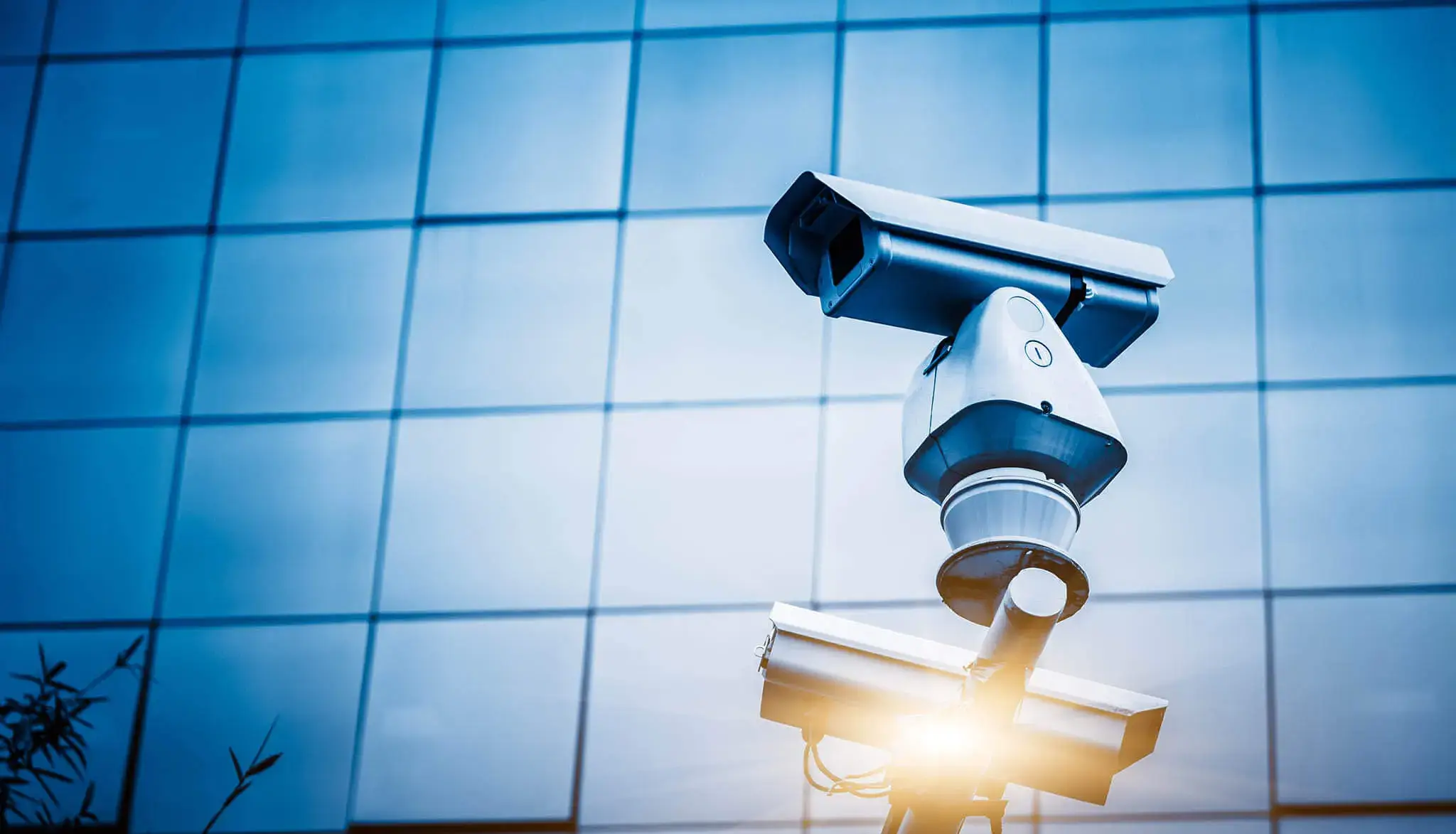
PTZ stands for Pan, Tilt, and Zoom. These cameras can move in multiple directions and zoom in on specific areas, making them useful for larger spaces and advanced monitoring needs.
IP Cameras
IP cameras transmit footage over a network and provide high-quality video. They are widely used in modern surveillance systems because they support remote access, smart features, and easy scalability.
Night Vision Cameras
These cameras are designed to record clear footage in low-light or dark environments. They are essential for 24/7 security coverage.
Key Steps in CCTV Camera Installation
Professional CCTV installation involves much more than simply mounting cameras on walls. A proper system requires planning, positioning, wiring, configuration, and testing.
1. Site Assessment
The first step is to inspect the location and identify high-priority areas such as entrances, exits, hallways, storage rooms, parking areas, reception areas, and restricted zones. This helps determine how many cameras are needed and where they should be installed.
2. Camera Placement Planning
Correct placement is critical. Cameras should cover vulnerable areas without leaving blind spots. They should also be mounted at the proper height and angle for clear visibility.
3. Selecting the Right Equipment
The installer chooses suitable cameras, storage devices, DVR or NVR systems, cabling, and power supplies according to the site’s requirements and budget.
4. Installation and Cabling
Cameras are mounted securely, and all wiring is installed safely and neatly. In IP systems, network connectivity is configured to ensure stable performance.
5. DVR/NVR Configuration
The recording system is configured for live view, playback, storage management, and recording schedules. Motion detection and alert settings may also be enabled.
6. Remote Monitoring Setup
One of the biggest benefits of modern CCTV systems is remote access. Professional installers can configure the system so you can monitor your cameras from your mobile phone or computer.
7. Testing and Optimization
After installation, the full system is tested to ensure camera angles, recording quality, night vision, playback, and remote access are working correctly.
Benefits of Professional CCTV Installation
Many businesses attempt to install surveillance systems on their own, but professional installation offers clear advantages. A trained installer understands camera positioning, network configuration, storage planning, and long-term reliability.
Better Coverage
Professionals know how to eliminate blind spots and maximize visibility across key areas.
Reliable Performance
A properly configured system works more smoothly and reduces technical issues in the future.
Secure Setup
Professionals can secure the system, network access, and remote viewing to reduce cybersecurity risks.
Cleaner Installation
Proper cable management and neat device placement create a more professional and durable setup.
Ongoing Support
Many providers also offer maintenance, updates, troubleshooting, and system expansion support.
Where CCTV Cameras Should Be Installed
The right locations depend on the type of property, but common areas include:
- Main entrances and exits
- Reception desks
- Parking areas
- Corridors and hallways
- Cash counters or billing desks
- Warehouses and storage rooms
- Server rooms
- Perimeter walls and gates
The goal is to secure critical access points, monitor high-risk areas, and maintain clear visibility across the property.
Common Mistakes to Avoid
Installing CCTV cameras without proper planning can reduce system effectiveness. Some common mistakes include poor camera positioning, low-quality equipment, insufficient storage, weak network setup, and failure to test the system after installation.
Other mistakes include:
- Placing cameras too high or too low
- Ignoring night vision needs
- Using too few cameras
- Leaving blind spots uncovered
- Failing to secure remote access
- Not maintaining the system regularly
CCTV Maintenance Is Also Important
Installation is only the beginning. Regular maintenance ensures your system continues to perform well over time. Cameras should be checked for dust, damaged cables, unclear lenses, storage issues, and recording errors. Software and firmware updates should also be applied when necessary.
Routine maintenance helps:
- Keep video quality clear
- Reduce downtime
- Extend equipment lifespan
- Ensure recordings are available when needed
- Maintain reliable remote access
Choosing the Right CCTV Installation Partner
When selecting a CCTV service provider, look for experience, technical knowledge, quality equipment, and after-sales support. A good installation partner should understand your business environment and recommend a solution that matches your security goals and budget.
Choose a provider that offers:
- Site assessment and consultation
- High-quality camera options
- Professional installation
- Remote monitoring setup
- DVR/NVR configuration
- Maintenance and troubleshooting support
Final Thoughts
CCTV camera installation is an essential investment for any business that values safety, control, and peace of mind. A well-designed surveillance system helps protect employees, customers, assets, and operations while giving you full visibility over your premises. With the right equipment and professional installation, businesses can build a strong security foundation that supports both current needs and future growth.


Amazing quality! The product arrived quickly, and I was impressed with how durable it feels. Definitely worth the price, and I’ll be purchasing again soon.
Exceeded my expectations! I bought this as a gift, and the recipient was thrilled. The craftsmanship is top-notch, and customer service was super helpful with my inquiries.